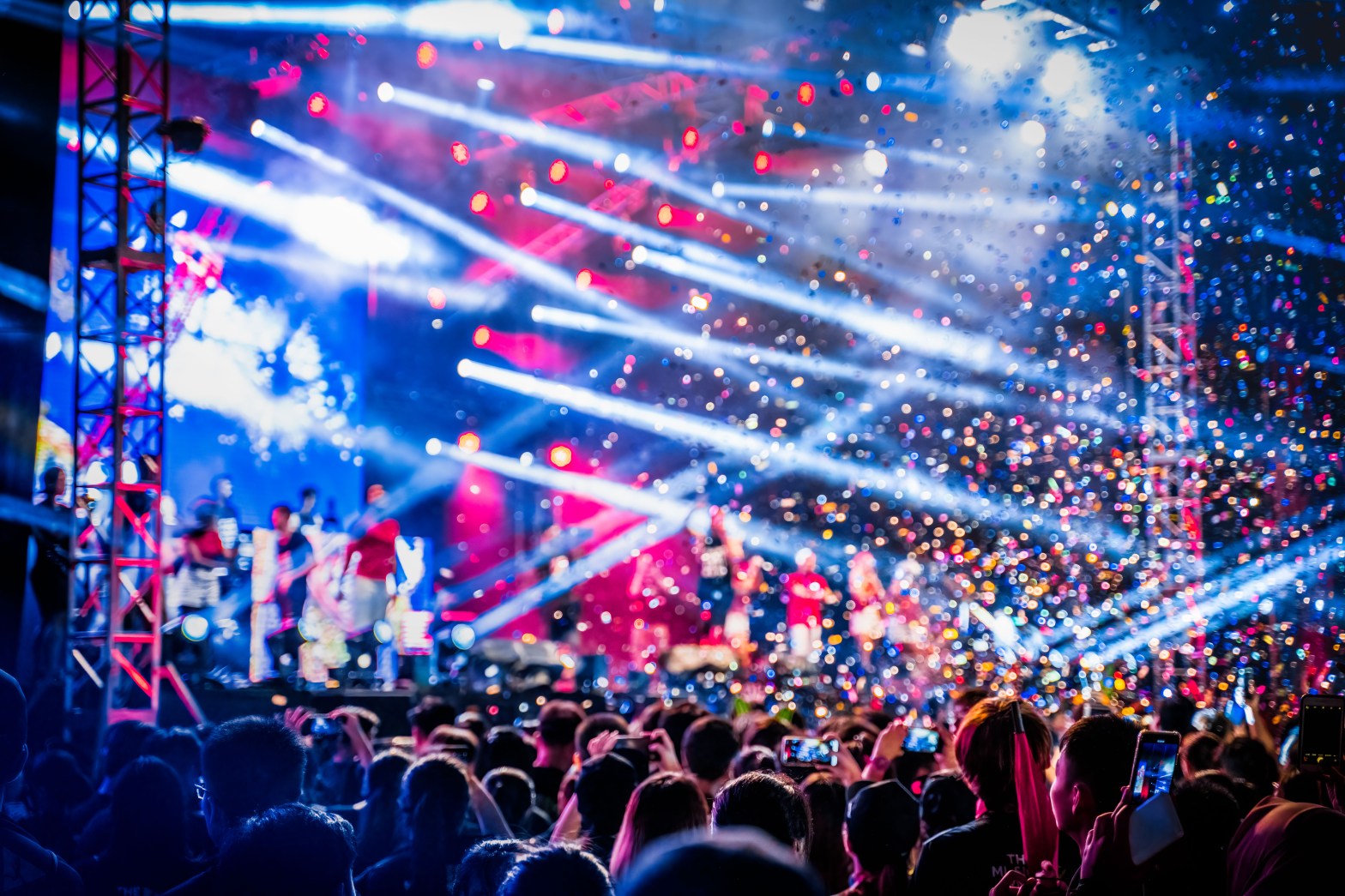
If 2025 was still about returning to in-person connection, now 2026 will be all about designing for emotion. Events are no longer spaces where things happen — they are the experience.
From festivals and vendor markets to trade shows and corporate gatherings, audiences are craving something that feels intentional, personal, and deeply sensory. The lines between décor, technology, and storytelling have officially blurred — and I’m here for it. For those who’ve planned events with me in the past few years, you will see a few of my event design process.
Here are the 10 event design trends identified to be taking over 2026 and how you can use them to create unforgettable spaces that inspire, engage, and delight.
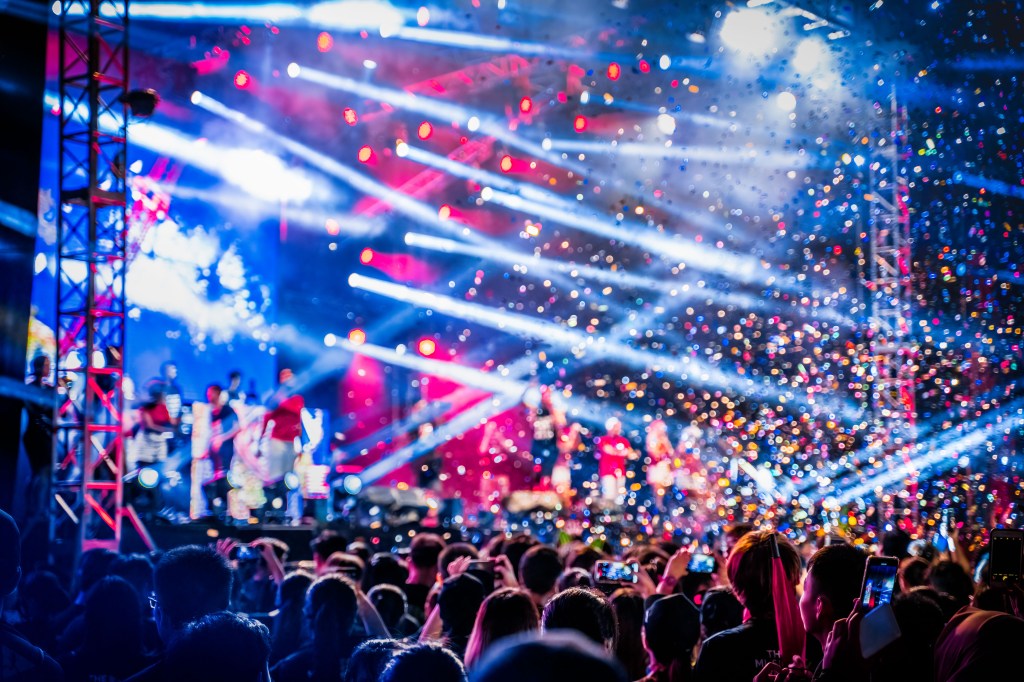
Trend 1: Immersive, Multi-Sensory Environments
Event design in 2026 will engage every sense. Sight, sound, scent, and even texture come together to create atmospheres guests don’t just see — they feel.
Envision projection-mapped walls, ambient soundscapes, gentle scent zones, and touchable materials like velvet seating or sculpted greenery.
This trend is especially powerful in community and consumer events — where guests wander, explore, and are meant to interact. Even subtle layering (a curated playlist, dimmable lights, textured signage) transforms energy and emotion.
Pro tip: Build sensory zones throughout your event — one space can be calm and restorative, another vibrant and upbeat.
Trend 2: Sustainability as Standard
“Eco-friendly” is no longer an add-on — it’s the baseline. Sustainable event design now means reusable, modular, and intentional.
Expect to see:
- Reclaimed materials replacing one-time-use builds.
- Local sourcing of florals, greenery, and rentals.
- Digital-first design, like LED signage instead of print backdrops.
Even simple choices — compostable dish ware, repurposed stage elements, or vendor waste reduction plans — make a visible difference.
Pro tip: Track your sustainability stats (waste diversion, local sourcing) and share them with attendees. It’s great storytelling and accountability.
Trend 3: Hybrid & “Phygital” Experiences
The hybrid event trend has matured — welcome to phygital design, where the physical and digital worlds merge seamlessly.
In 2026, event environments will be built for both live and online audiences. Booths and activations double as camera-ready sets. LED walls become storytelling tools. Even smaller markets are incorporating live streaming and AR (augmented reality) experiences to expand reach.
Pro tip: When planning your layout, think like a content creator. Design “camera moments” — great lighting, strong backdrops, and layered depth make every shot usable for social or broadcast.
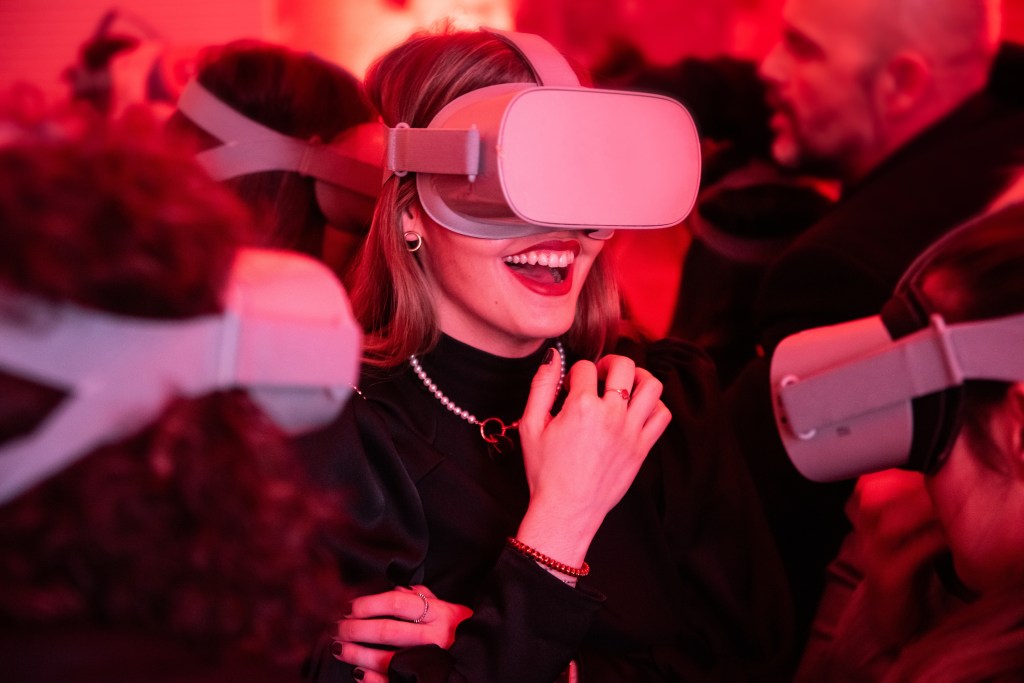
Trend 4: Biophilic & Nature-Inspired Design
This trend continues to grow (literally). Biophilic design brings natural textures and living greenery into structured event environments — balancing the energy of tech-heavy spaces.
Expect to see lush vertical gardens, wooden signage, and soft, organic forms replacing hard edges. The effect? Calm, connected, and grounded.
Pro tip: Rent mature plants and trees to frame entrances or lounge zones — they instantly elevate the space and can be reused sustainably.
Trend 5: Bold Colour, Texture & Maximalism
After years of minimalist beige everywhere, maximalism is coming back. 2026 events will be saturated in colour, pattern, and energy.
We’re anticipating deep jewel tones, sunset gradients, layered fabrics, and mixed metals. Even corporate events are adopting vibrant accents to express personality and optimism.
This trend works across formats — a community market might use patterned drapes and neon signage, while a gala can play with iridescent lighting and velvet linens.
Pro tip: Choose a single bold colour or texture as your “anchor,” then build subtle layers around it. Controlling the chaos is the goal.
Trend 6: Modular & Adaptive Layouts
If flexibility was a design buzzword before — in 2026, it will be a practical business strategy. Modular event design lets organizers adapt quickly to space, budget, and flow changes.
Expect structures that shift throughout the day: booths that fold down into networking pods, seating that rearranges between sessions, signage that flips from day to night branding.
This trend also reduces waste and boosts ROI (return on investment)— one modular setup can serve multiple events or sessions at a larger event.
Pro tip: Design once, repurpose often. Build your infrastructure to evolve season after season.
Trend 7: Experiential Installations & Shareable Moments
The phrase “Instagrammable event” has evolved — it’s no longer about a single photo wall. It’s about immersive storytelling through installation design.
Go ahead, picture interactive tunnels, light sculptures, brand archways, and mirrored corridors. Design elements that will encourage participation, social sharing, and authentic engagement.
For festivals or markets, these installations become landmarks — meeting points that organically promote your event online.
Pro tip: Tie your installation design back to your event story or brand purpose — visual wow + emotional meaning = lasting impression.
Trend 8: Data-Driven Personalization
In 2026, we anticipate that the most memorable events are the ones that respond to their audience. Through RFID (Radio-Frequency Identification) tech, smart badges, and app integrations, event design is becoming adaptive.
Lighting can shift as foot traffic moves. Booth displays adjust content based on demographics. Even at a community level, pre-event surveys shape programming and layout.
This is personalization with purpose — using data to enhance comfort, flow, and connection.
Pro tip: Start simple — segment guests by interest or role and create slightly different experiences per group. It feels intentional, not overwhelming.
Trend 9: Elevated Lighting & Extended Reality (XR)
Lighting has officially stepped into the spotlight. You can expect that event lighting will no longer be just functional — it’s storytelling in motion.
Watch for programmable LED rigs, XR projections, holographic effects, and colour-responsive setups that transform spaces throughout the event.
For trade shows, lighting can guide flow. For galas, it can choreograph ambiance. For festivals, it becomes part of the performance.
Pro tip: Build a lighting plan early — not as an afterthought. Layer ambient, accent, and dynamic lighting for visual depth (and fewer surprises onsite).
Trend 10: Minimalism with Character
Yes, maximalism is trending — but on the flip side, strategic minimalism is shining too. Think of it as less clutter, more clarity.
This approach focuses on one or two bold statement elements and clean, functional design around them. It’s elevated, photogenic, and especially effective for trade shows or conferences where brand clarity matters.
Pro tip: Choose quality over quantity. A sculptural stage, high-end flooring, or artful lighting feature often delivers more impact than heavy décor.
Micro-Trends to Watch
Keep an eye out for these smaller design cues already surfacing in 2026 event previews:
- Oversized, 3D typography installations
- Layered metallic finishes (especially copper + chrome)
- Curved furniture and fluid stage design
- Ambient scent design (yes, it’s a thing!)
- Digital art galleries using LED and motion displays
- Lounge-style seating replacing traditional rows
Bringing It All Together
2026 event design is bold, sensory, and story-driven. Expect that spaces will be designed to stand out; balancing technology with texture, sustainability with creativity, and innovation with human connection.
Event design in 2026 will be all about how people feel when they’re there — inspired, grounded, energized, and seen.
What do you see shaping 2026?
💬 Ready to Design Your Next Event?
Whether you’re planning a bustling market, a polished trade show, or a high-energy community festival, our team specializes in creating intentional, experience-led event design that people talk about long after they leave. Let’s bring your 2026 event vision to life — sustainably, creatively, and beautifully.
👉 Contact us to plan your 2026
🎁 Tools & Templates
Browse our Digital Tools & Templates designed by an experienced event professional and curated with intention to support your next event or business move.

